
Part 1: What Is The Shutoff Filter and What Problem Does It Solve?
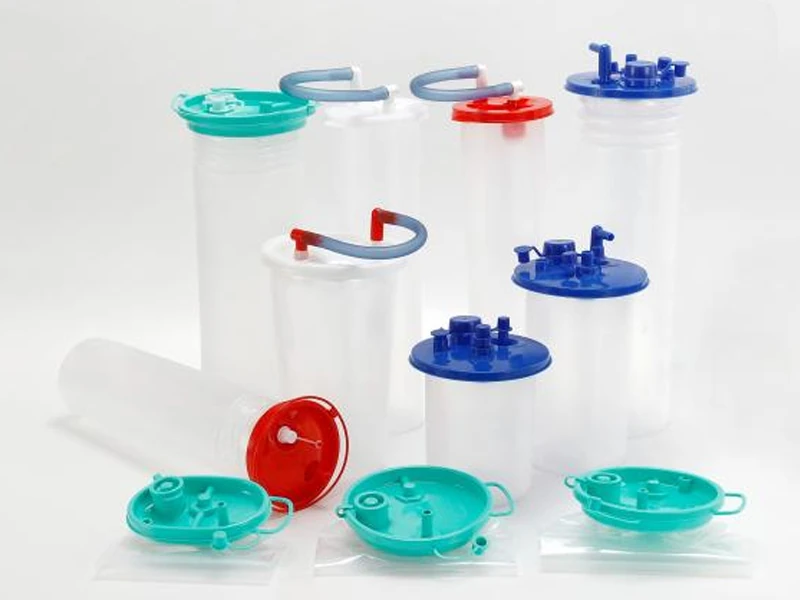
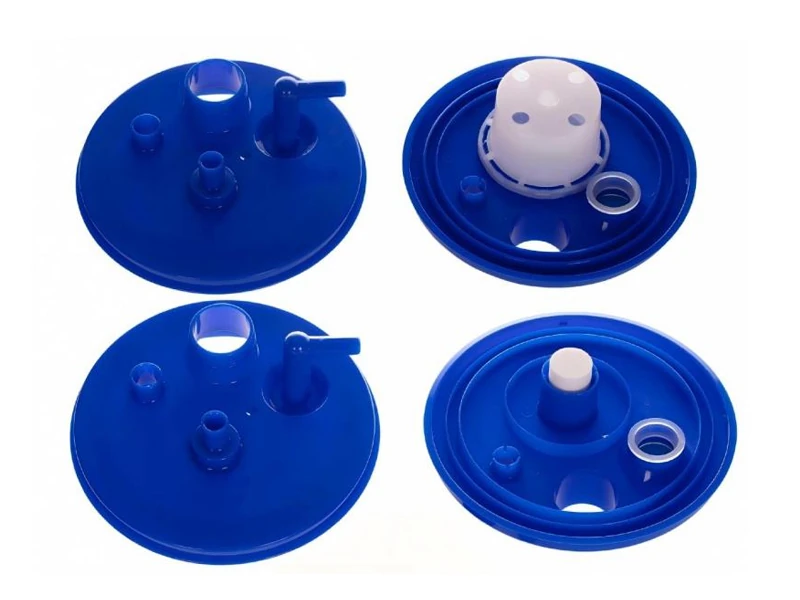
Shutoff filter (hydrophobic filter) is a device installed on the top lid of a suction liner.
During suction, when the waste fluid level rises and touches the bottom of the shutoff filter, the negative pressure pathway will cut off, and suction stops automatically.
The core value of the shutoff filter is preventing waste fluid from being drawn into the negative pressure source. It sounds simple, but without this device, the consequences can be catastrophic.
Consequences of not having the shutoff filter:
Waste fluid enters the central negative pressure piping: liquid accumulates in the piping, reducing negative pressure system efficiency and causing pipe corrosion.
Equipment damage: waste fluid enters the negative pressure pump or vacuum pump, and repair costs far exceed the price difference of the consumable.
Cross-infection risk: pathogens in the waste fluid spread through the negative pressure system.
Part 2: Two Main Types of Anti-Overflow Valves
There are mainly two types of anti-overflow valves on the market:
Type 1: Float-Type Anti-Overflow Valve (Mechanical valve)
Triggered by a float structure. When the rising liquid level pushes the float to the closed position, the valve physically closes the negative pressure pathway.
Advantages: Simple structure, does not depend on material properties.
Disadvantages: Has moving parts, and there may be a risk of incomplete sealing.
Type 2: Water-Blocking Anti-Overflow Valve (Hydrophobic filter)
Uses a special porous hydrophobic material that allows air to pass freely when dry; upon contact with liquid, the material’s hydrophobic properties cause it to close automatically.
Advantages: No moving parts, reliable sealing
Disadvantages: High material requirementsBoth anti-overflow methods can achieve the core function of “stop when full.” The difference lies in the triggering mechanism—the mechanical type relies on physical action, while the water-blocking type relies on material properties.
Part 3: With Anti-Overflow Valve vs. Without Anti-Overflow Valve—What’s the Difference?
Some suction liners on the market do not have an anti-overflow valve and rely entirely on manual monitoring of the liquid level. The difference between having and not having an anti-overflow valve is:
Suction liner without an anti-overflow valve:
After the waste fluid is full, negative pressure continues to act
Waste fluid may be drawn into the connecting tubing and negative pressure source
Nurses need to constantly monitor the liquid level and replace in time
Relies on manual monitoring, with a risk of human oversight
Drainage canisters with an anti-overflow valve:
When the waste fluid is full, negative pressure is automatically cut off, and suction stops
Waste fluid is blocked inside the bag body and will not enter the tubing or negative pressure source
Nurses only need to replace it after suction stopsDoes not rely on continuous manual monitoring, offering higher safety
Part 4: Procurement Checklist
When choosing a drainage canister, confirm the following 2 points:
- Is it equipped with an anti-overflow valve? Not all suction liners come standard with an anti-overflow valve—this must be confirmed before procurement.
- How reliable is the anti-overflow valve’s closure? Is there test data to support it? Is each batch tested?
Next Steps
The anti-overflow valve is the last line of defense when the suction liner is full. Without it, waste fluid may enter the central negative pressure system.
All suction liners in Yuanding Medical series can be optionally equipped with an anti-overflow valve.
Verify our anti-overflow valve performance:
Request anti-overflow valve test reports
Request samples for actual testing
[Contact Product Manager]